
Tyler Spray Foam Pros emphasizes practical insulation recommendations based on building conditions rather than applying the same solution to every property. An appropriate project assessment considers existing insulation, accessible installation areas, moisture conditions, material compatibility, and the intended use of the space. Evaluating these factors helps determine whether open-cell or closed-cell spray foam is appropriate and what preparation may be necessary before installation.
For Jacksonville property owners, careful attention to attic heat, crawl space conditions, and metal building construction can help guide insulation planning. Professional application equipment, controlled installation methods, and clear communication about project requirements are important considerations when evaluating insulation work. Call 430-247-2542 to discuss your insulation needs.
Jacksonville, Texas Spray Foam Insulation – Comfort for East Texas Properties
Tyler Spray Foam Pros helps homeowners and businesses in Jacksonville, Texas, explore spray foam insulation solutions for attic heat, crawl space air leaks, metal buildings, and pole barns. With a focus on appropriate materials and building conditions, insulation improvements can support more consistent indoor comfort. Call 430-247-2542 to discuss your residential or commercial insulation project.
How Jacksonville's Hot Summers Expose Attic Insulation Problems
Jacksonville experiences long, hot summers, with average afternoon temperatures reaching the 90s during July and August. For homes with inadequate attic insulation, prolonged heat exposure can increase heat transfer through ceilings and place additional demands on cooling systems. Heat entering through ceilings can make upstairs bedrooms uncomfortable and increase the demand on air-conditioning systems. Homeowners in established residential areas and properties along the US Highway 69 corridor may notice uneven temperatures, rooms that cool slowly, or air leakage around attic openings.
Jacksonville also receives substantial rainfall throughout the year. In homes with roof leaks, inadequate ventilation, or poorly managed moisture, existing insulation may become less effective. Identifying these conditions before installation helps prevent additional building problems. Spray foam insulation can help reduce unwanted heat transfer and seal accessible air leakage points. Selecting the appropriate foam material, evaluating roof conditions, and maintaining suitable ventilation and moisture control are important for reliable insulation performance.
Attic Spray Foam Insulation for Jacksonville Homes
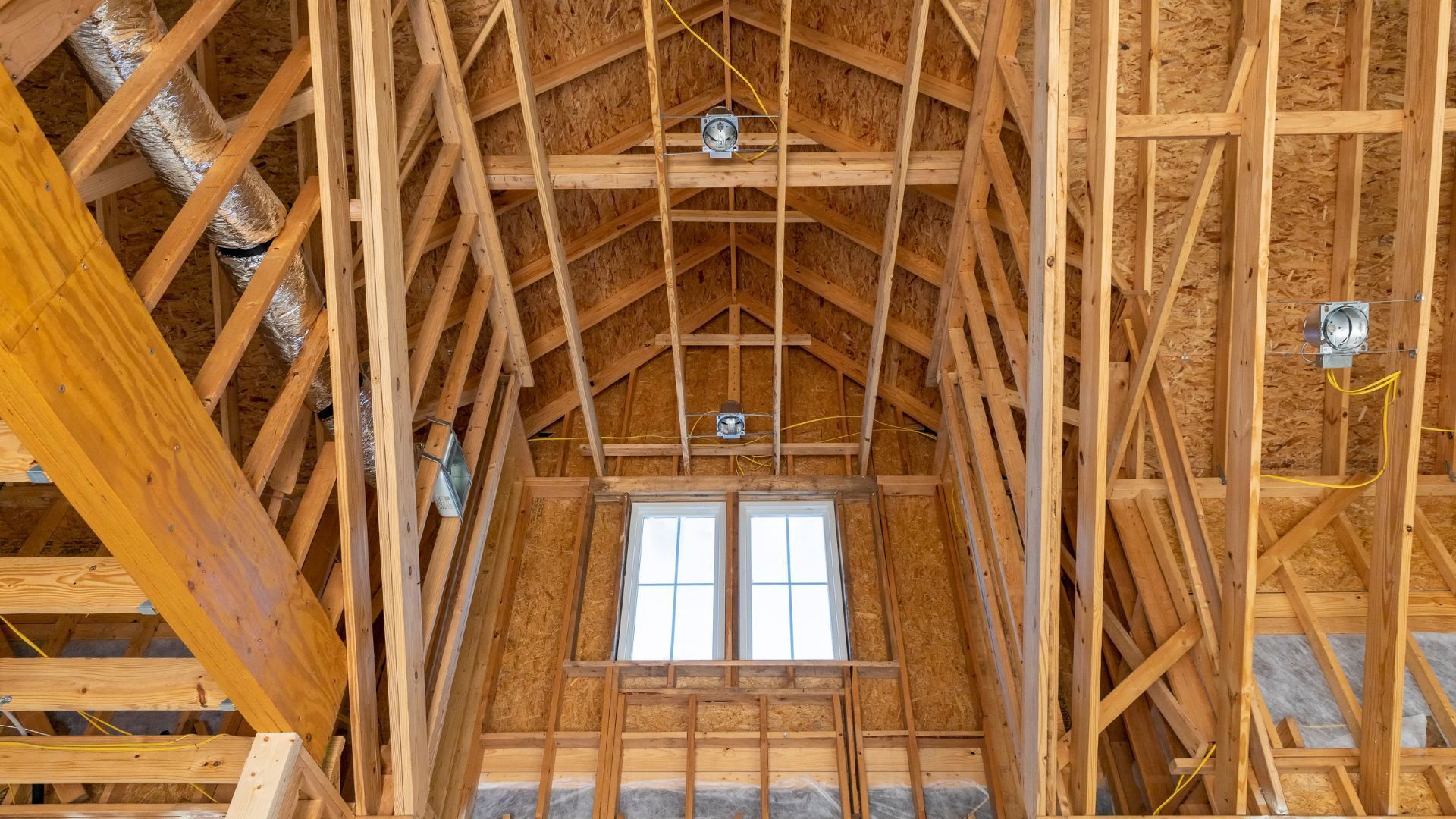
Attic insulation is especially relevant to Jacksonville homeowners dealing with uncomfortable rooms and excessive heat entering through the roof assembly. Older residential properties and homes undergoing renovations may have uneven insulation coverage, gaps around ceiling penetrations, or poorly sealed attic access points that allow conditioned air to escape.
Spray foam can be applied to suitable attic surfaces to provide insulation and air sealing. Depending on the building design, installation may involve the attic floor or the underside of the roof deck. Before installation, the attic should be evaluated for existing insulation, roof conditions, ventilation requirements, and moisture concerns. Proper surface preparation and material selection help establish an insulation approach suited to the home's construction and cooling requirements.
Crawl Space Spray Foam Insulation and Air Sealing
Homes with raised foundations may experience drafts, uncomfortable floors, and moisture-related concerns when crawl spaces are poorly insulated or exposed to outdoor air. Jacksonville's humid conditions make moisture management particularly important in these areas. For raised-floor homes, gaps around plumbing penetrations, floor framing, and utility openings may allow humid outdoor air to enter beneath occupied spaces, contributing to temperature inconsistencies and potential moisture concerns.
Closed-cell spray foam may be suitable for certain crawl space applications because it provides thermal resistance and air sealing while limiting water vapor transmission at appropriate thicknesses. However, standing water, drainage problems, and existing moisture damage must be addressed before insulation is installed. A professional assessment can help determine whether insulating the floor assembly, crawl space walls, or another suitable area would better address the property's conditions.
Metal Building and Pole Barn Spray Foam Insulation
Metal workshops, storage buildings, and agricultural structures have different insulation requirements from conventional homes. Across Jacksonville and the surrounding Cherokee County area, these buildings may contain exposed metal roofing and wall panels that transfer outdoor heat into workspaces and storage areas. Cherokee County has an established agricultural economy, making insulation considerations for farm-related buildings and workspaces particularly relevant to the surrounding area.
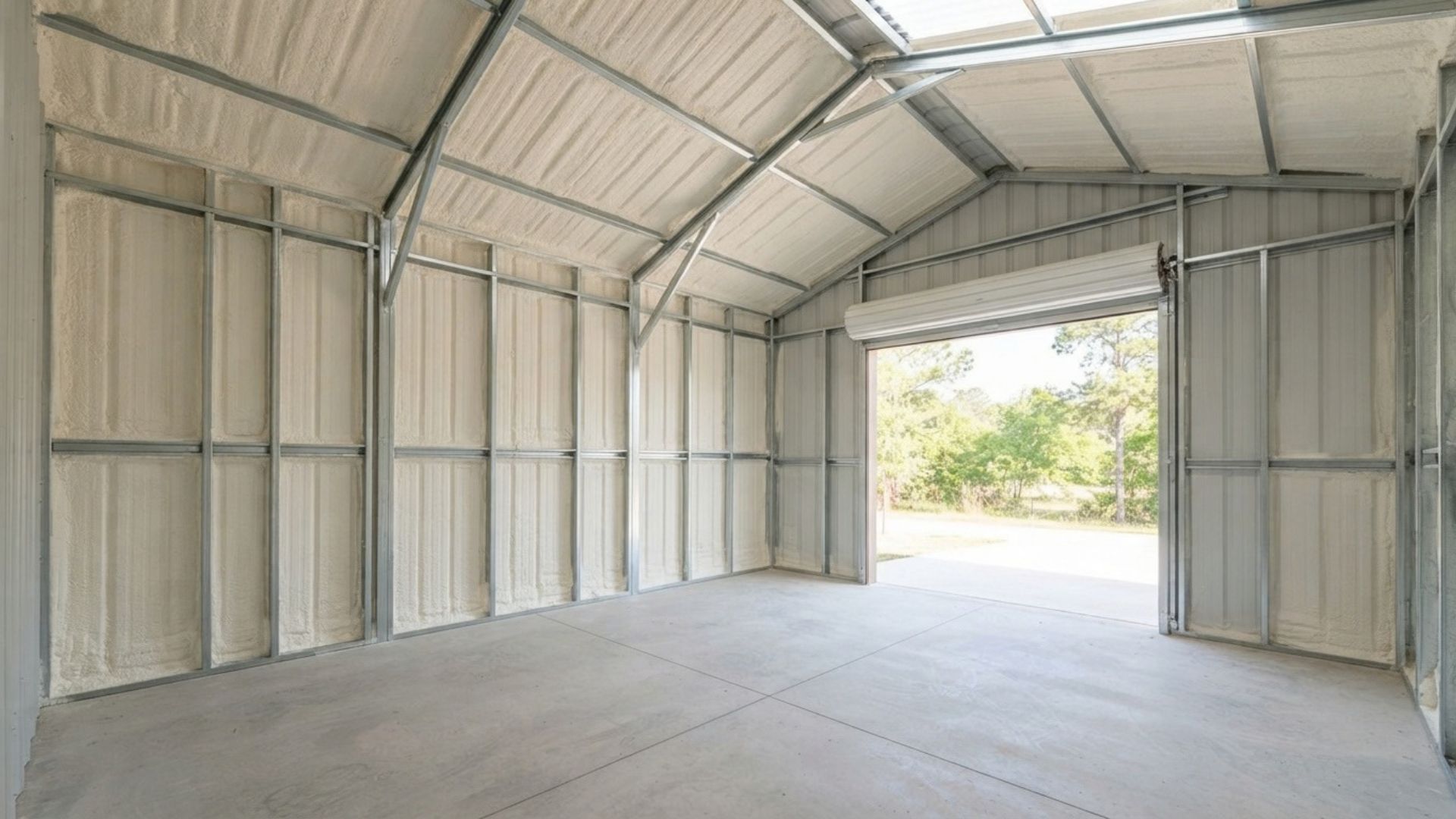
Spray foam insulation can be applied to suitable metal surfaces to reduce heat transfer and limit air movement through building gaps. This may be useful for workshops, equipment storage buildings, and pole barns where temperature control or condensation is a concern. Closed-cell spray foam is often considered for metal structures because of its insulating and moisture-resistance characteristics. Surface preparation, condensation management, application thickness, and the building's intended use should guide the installation approach.
What Affects Spray Foam Insulation Cost in Jacksonville?
Spray foam insulation costs depend on the size and complexity of the installation area, the selected foam material, and the required insulation thickness. For Jacksonville homes, attic accessibility, roof design, existing insulation, and surface preparation can affect the project scope. Older properties may require additional inspection or insulation removal, while raised-floor homes may need moisture-related preparation before crawl space insulation begins.
Metal buildings and pole barns have different cost considerations, including wall height, roof configuration, framing, and total surface area. Open-cell and closed-cell materials also differ in coverage requirements and application characteristics. An assessment of the actual building conditions helps establish suitable materials, installation requirements, and a more accurate project estimate.
Nearby Service Areas Around Jacksonville
Why Choose Tyler Spray Foam Pros?
Tyler Spray Foam Pros emphasizes practical insulation recommendations based on building conditions rather than applying the same solution to every property. An appropriate project assessment considers existing insulation, accessible installation areas, moisture conditions, material compatibility, and the intended use of the space. Evaluating these factors helps determine whether open-cell or closed-cell spray foam is appropriate and what preparation may be necessary before installation.
For Jacksonville property owners, careful attention to attic heat, crawl space conditions, and metal building construction can help guide insulation planning. Professional application equipment, controlled installation methods, and clear communication about project requirements are important considerations when evaluating insulation work. Call 430-247-2542 to discuss your insulation needs.
Expert Spray Foam Insulation Projects in Jacksonville, TX
Frequently Asked Questions About Spray Foam Insulation in Jacksonville
What type of attic insulation works well during Jacksonville's hot summers?
Both open-cell and closed-cell spray foam can provide thermal insulation and air sealing when installed correctly. For Jacksonville homes exposed to prolonged summer heat, the appropriate choice depends on roof construction, insulation placement, moisture control, and the required thermal resistance.
Should Jacksonville homeowners address crawl space moisture before installing spray foam?
Yes. Existing leaks, drainage issues, and moisture damage should be investigated and corrected before insulation work begins. Humid East Texas conditions make it important to evaluate ground moisture, ventilation, and existing floor materials before selecting a crawl space insulation method.
Is closed-cell spray foam suitable for metal buildings?
Closed-cell spray foam can be suitable for many metal building applications. Its insulating and air-sealing properties can help manage heat transfer and reduce condensation risk when the overall building assembly is designed correctly. Material compatibility, surface conditions, and intended building use should also be considered.
How long does spray foam insulation installation take?
Installation time depends on the application area, accessibility, preparation requirements, and project complexity. A small attic project may require less time than a large metal building. Safe reentry and occupancy depend on the specific product's curing and ventilation requirements.
Do I need to remove existing attic insulation before applying spray foam?
Not always. Removal depends on the insulation's condition, the intended installation location, and the attic design. Damaged, contaminated, or moisture-affected materials may require removal, particularly when they interfere with surface preparation or the proposed insulation assembly.
Request a Free Quote
Contact Us
We will get back to you as soon as possible.
Please try again later.