
Metal Building Insulation in Tyler, TX
Tyler Spray Foam Pros provides professional metal building insulation in Tyler, TX, helping building owners improve indoor comfort, reduce unwanted heat transfer, and address air leakage and condensation concerns. With six years of industry experience, our insulation professionals assess metal panels, roof and wall assemblies, existing insulation, and moisture conditions before recommending suitable solutions. Whether insulating a commercial facility, storage building, agricultural structure, or workshop, our technicians evaluate your property's construction and thermal requirements to determine an appropriate installation approach.
Our team specializes in spray foam insulation solutions designed to support energy efficiency and temperature control in metal buildings throughout Tyler. We consider building size, accessibility, insulation thickness, and condensation risks when selecting suitable application methods. Using professional equipment and proper installation techniques, Tyler Spray Foam Pros helps property owners reduce air infiltration, improve thermal protection, and maintain more comfortable interior conditions throughout the year.
Request a Free Quote
Contact Us
We will get back to you as soon as possible.
Please try again later.
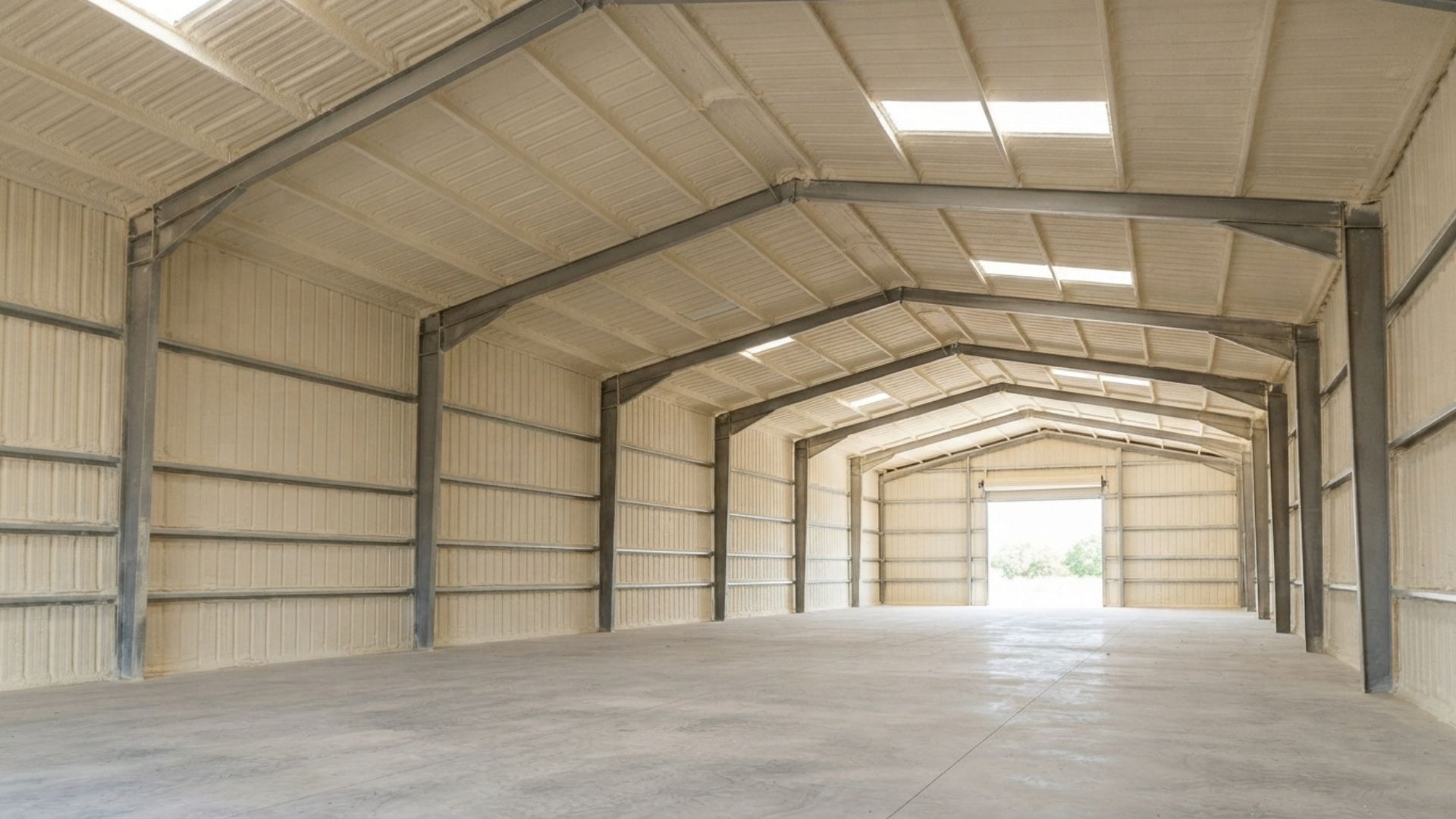
Professional Insulation for Metal Buildings in Tyler
Metal buildings present unique insulation challenges because steel conducts heat, allowing outdoor temperatures to affect interior conditions. Tyler's hot summers and seasonal humidity make proper insulation important for warehouses, workshops, and commercial facilities. Metal building insulation helps reduce heat transfer by providing thermal resistance between exterior panels and indoor spaces. Professional installation can also improve energy efficiency by reducing air leakage through suitable roof and wall assemblies. Closed-cell spray foam insulation is commonly used because it offers high R-values per inch, air-sealing capabilities, and lower vapor permeability than open-cell foam. When applied to compatible metal surfaces, it creates a continuous insulation layer that conforms to irregular areas and framing connections.
Different metal building insulation types, including fiberglass batts, insulation rolls, rigid foam boards, and spray foam, offer benefits depending on construction requirements. Fiberglass provides conventional thermal protection, while rigid foam boards can create continuous insulation when properly installed. Spray foam is useful for irregular surfaces and air-sealing applications. However, selecting the best insulation requires considering building design, ventilation, condensation risks, and fire protection requirements. Tyler Spray Foam Pros evaluates metal roofs, walls, framing, and existing insulation before recommending suitable materials. Our technicians assess surface preparation, application thickness, and manufacturer specifications to support indoor comfort, moisture management, and long-term insulation performance.
Improve Energy Efficiency
Heat Transfer, Air Barrier, and Condensation Problems in Metal Buildings
Metal buildings can experience excessive heat transfer, air leakage, and condensation due to their conductive surfaces. Understanding these common problems helps property owners identify insulation needs and improve indoor comfort.
01
Excessive Heat Transfer
Metal roof and wall panels conduct heat, causing uncomfortable indoor temperatures and increasing heating and cooling demands during seasonal weather changes.
02
Thermal Bridging
Metal framing creates pathways for heat transfer, reducing insulation effectiveness and allowing unwanted temperature changes throughout the building.
03
Condensation and Moisture
Humid air contacting cold metal surfaces can cause condensation, potentially leading to corrosion, material deterioration, and moisture-related damage.
04
Air Leakage and Insulation Gaps
Poorly sealed connections and inadequate insulation allow unwanted airflow, reducing energy efficiency and making indoor temperatures harder to maintain.
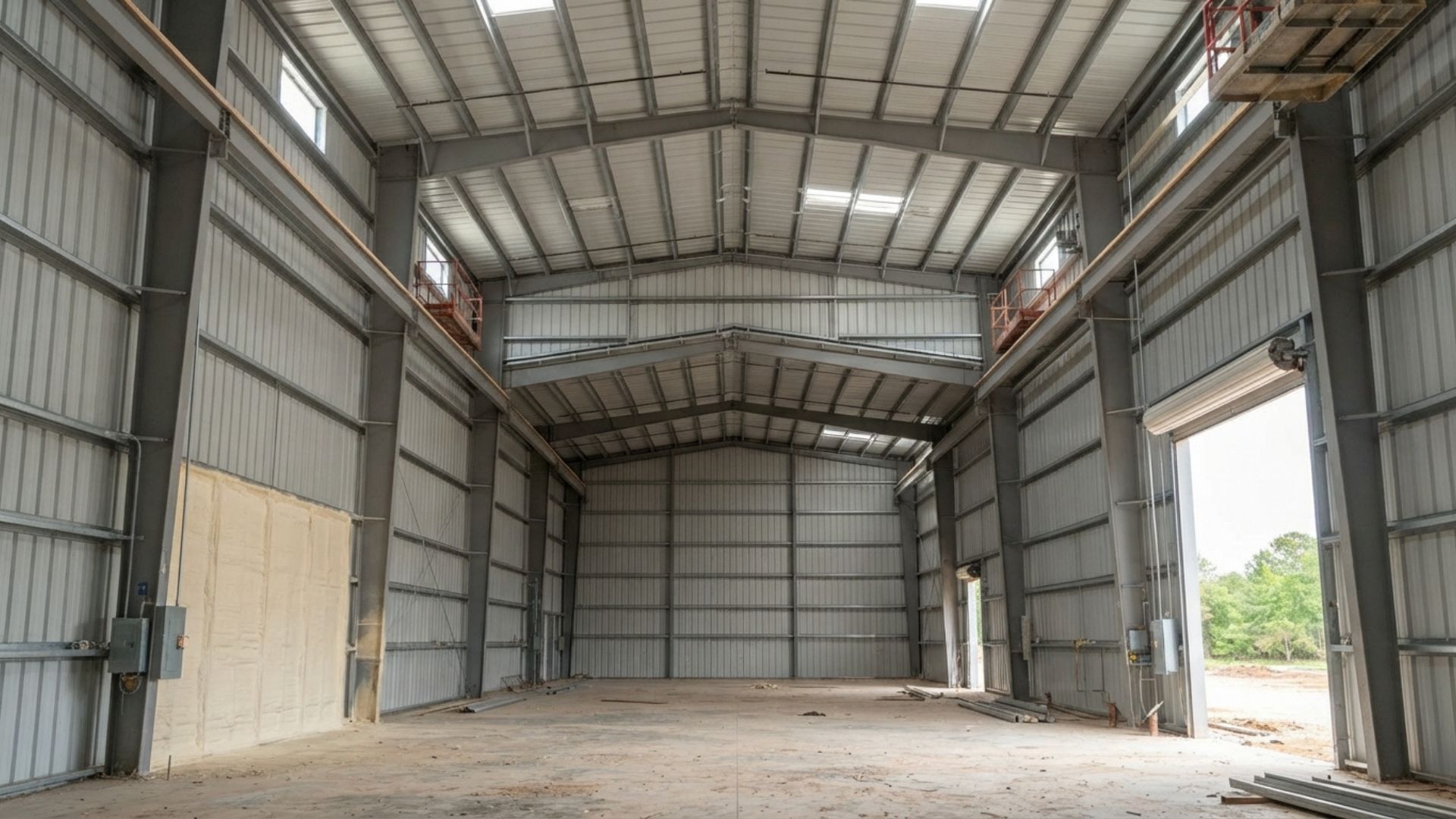
Poor Insulation Is Costing You More
Inadequate insulation can lead to higher energy bills, uncomfortable indoor temperatures, and unwanted air leakage. Spray foam helps address these issues by improving thermal resistance and sealing suitable gaps.
Our Metal Building Installation Process
Our professional metal building spray foam insulation installation process focuses on thorough inspections, proper surface preparation, and precise foam application. At Tyler Spray Foam Pros, our experienced technicians evaluate metal roof panels, wall assemblies, framing, and existing insulation before recommending suitable solutions. We follow manufacturer specifications and safety procedures to support consistent coverage, reduce air leakage, improve thermal protection, and address insulation challenges in commercial, agricultural, and residential metal buildings throughout Tyler, TX.
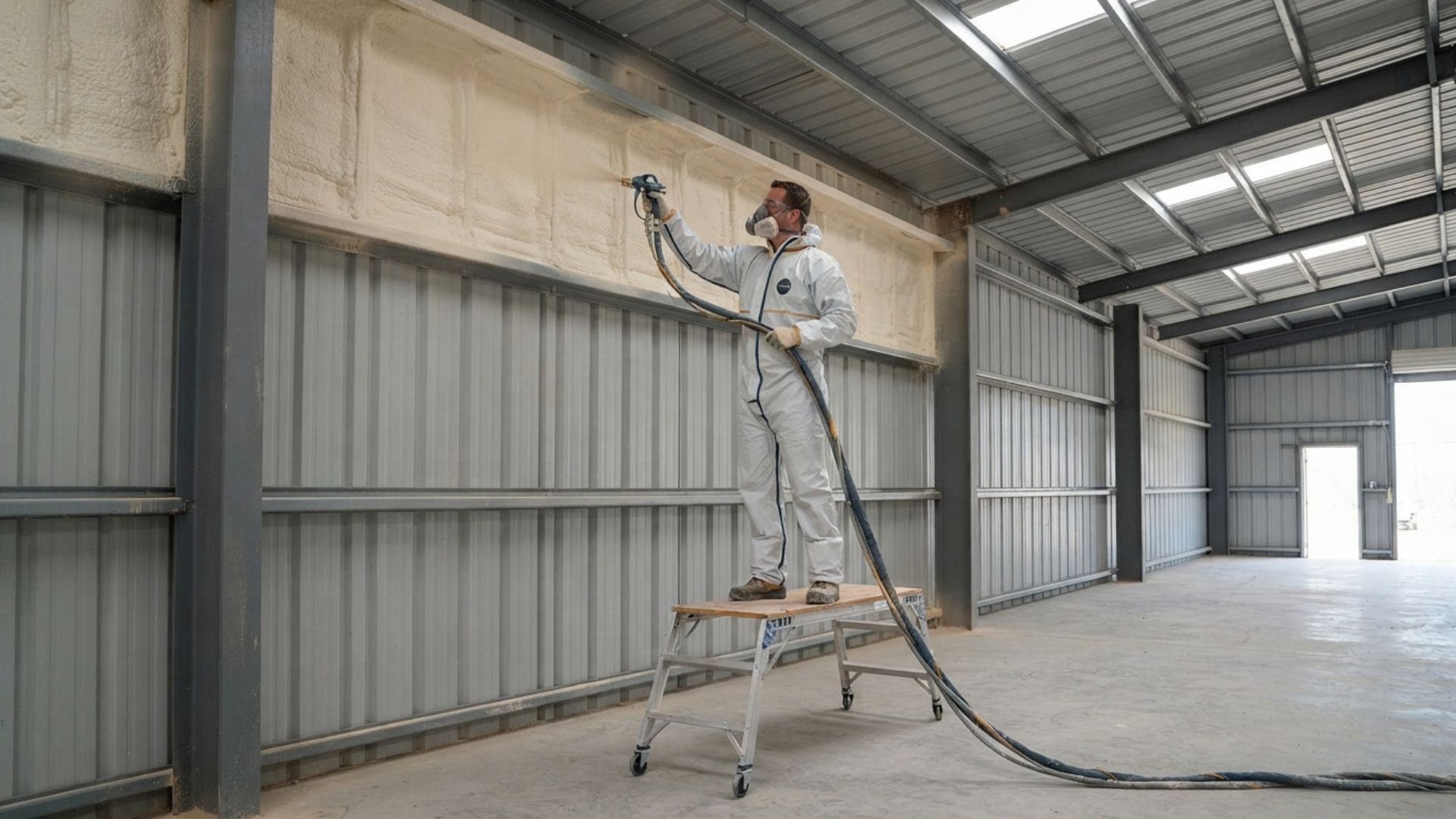
Building Assessment
Our technicians inspect accessible metal roof panels, wall assemblies, framing connections, and existing insulation to identify suitable application areas. We evaluate air leakage, moisture concerns, substrate compatibility, and insulation requirements to determine the appropriate spray foam solution for your building.
Surface Preparation
We prepare designated metal surfaces by checking for corrosion, moisture, debris, and other conditions that may affect foam adhesion. Our technicians protect surrounding areas, address preparation requirements, and set up specialized equipment for safe and efficient insulation installation.
Foam Application
Our technicians apply the selected open-cell or closed-cell spray foam using professional proportioning equipment according to manufacturer specifications. We monitor material temperature, application thickness, and surface conditions to achieve consistent coverage, reduce unwanted air movement, and improve thermal resistance.
Final Inspection
After installation, we inspect accessible insulated surfaces for consistent coverage, visible gaps, and application irregularities. Our technicians review completed work areas, follow required ventilation and curing procedures, and provide safe reentry guidance to support proper insulation performance.
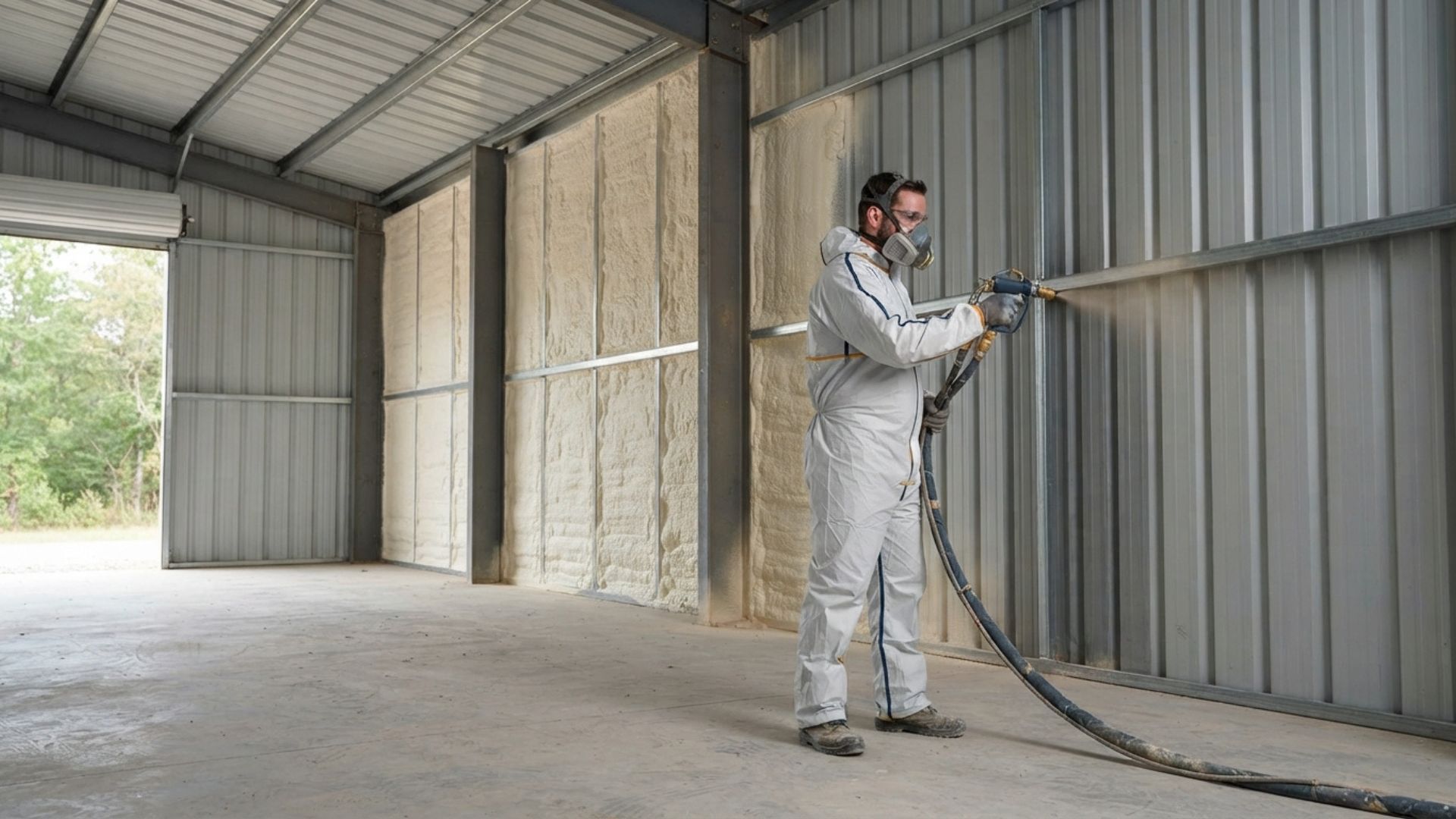
What Affects Your Insulation Cost?
Installation area, foam thickness, accessibility, and preparation requirements influence spray foam pricing. A professional assessment helps determine the appropriate insulation solution and estimated project cost.
Know Your Costs
Understanding Metal Building Insulation Cost in Tyler, TX
The insulation cost for a metal building depends on its size, roof height, wall dimensions, insulation material, and application thickness. Contractors may calculate installation areas per square foot, but estimates also include material volume, labor, equipment, and preparation. Larger structures generally require more materials and installation time. Closed-cell spray foam provides higher R-value per inch and lower vapor permeability than open-cell foam, but costs and application requirements differ. Fiberglass insulation rolls, rigid foam boards, and other materials also vary in price depending on thickness, thermal resistance, and installation methods. Insulation selection should prioritize building performance rather than upfront costs alone.
Accessibility and preparation also influence project expenses. High roofs, obstructed walls, insulation removal, and metal surface repairs may require additional work or equipment. Moisture and condensation problems should be evaluated before installation. Tyler Spray Foam Pros considers these factors during property assessments to prepare project-specific estimates. Proper insulation may reduce heating and cooling demands, but actual savings depend on building construction, HVAC performance, operating conditions, and existing insulation. A detailed estimate helps owners understand material costs, preparation needs, and installation requirements.
Why Choose Our Metal Building Insulation Contractors?
Tyler Spray Foam Pros brings six years of industry experience to residential and commercial spray foam insulation projects. Our professionals evaluate metal building construction, existing insulation, moisture conditions, and air leakage before recommending suitable materials. This assessment helps determine whether closed-cell spray foam, open-cell foam, or another insulation system meets the building's requirements. Professional installation involves specialized equipment, protective measures, and manufacturer specifications. Our technicians consider surface preparation, application thickness, ventilation, and curing requirements, particularly for metal surfaces exposed to condensation and temperature changes.
Insulation requirements vary because warehouses, workshops, storage buildings, and commercial facilities have different needs. We consider each building's intended use, construction, and thermal protection when recommending solutions. Property owners receive information about materials, preparation, installation areas, and project costs. Proper insulation can improve thermal resistance and reduce air infiltration, although results depend on building conditions. Our approach emphasizes appropriate materials, careful planning, and safe installation procedures.
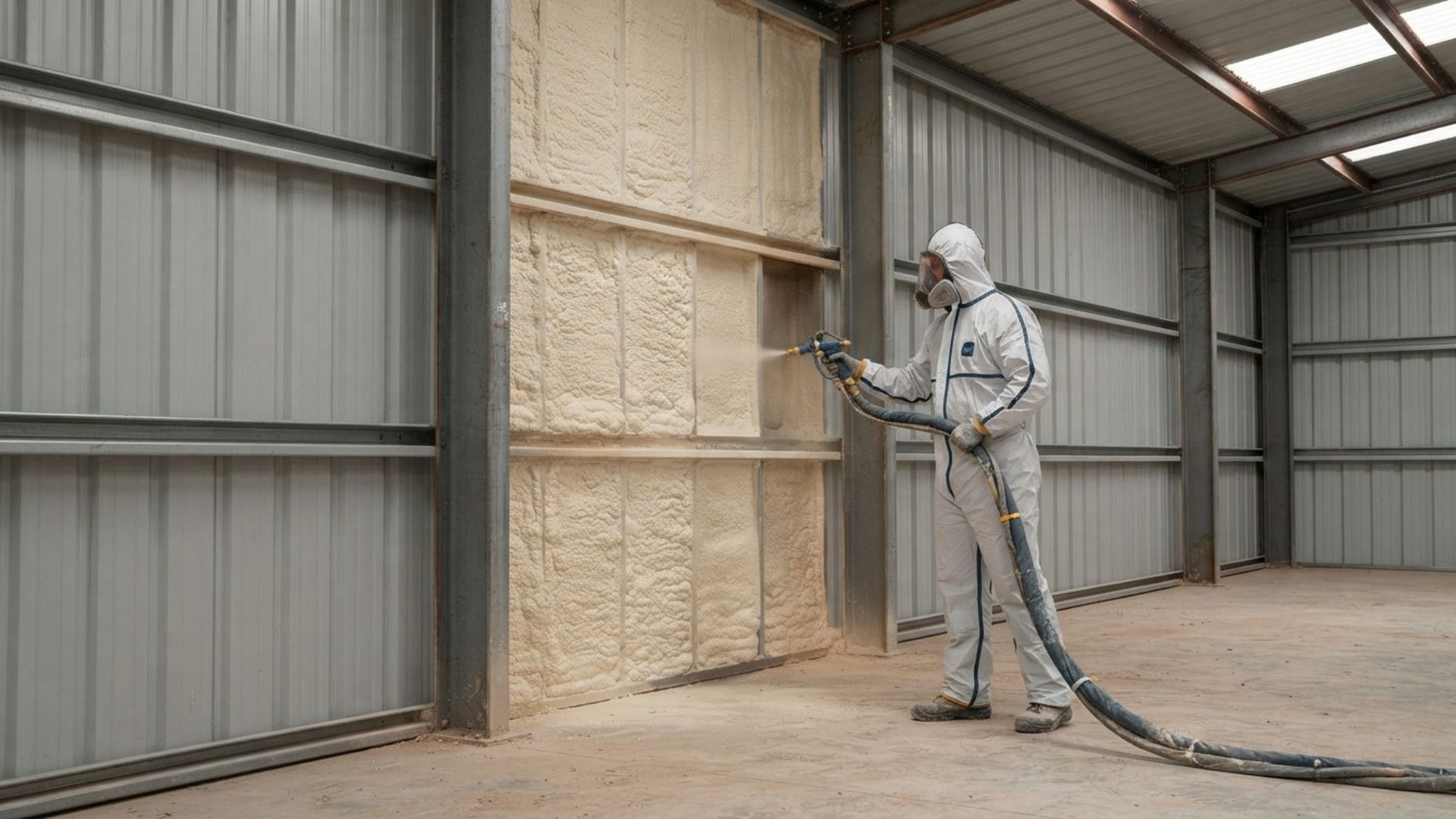
Expert Metal Building Insualtion Projects in Tyler, TX
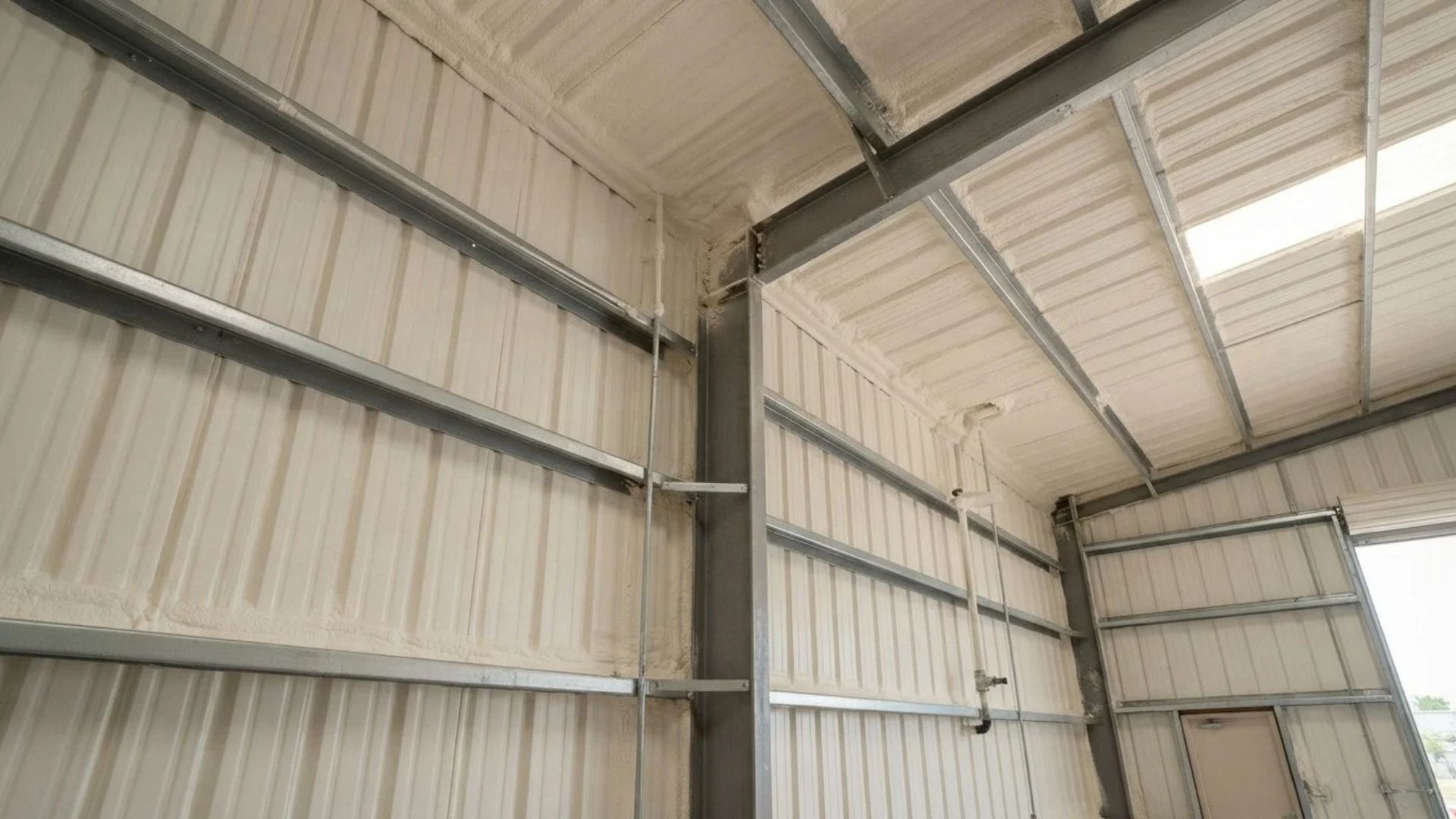
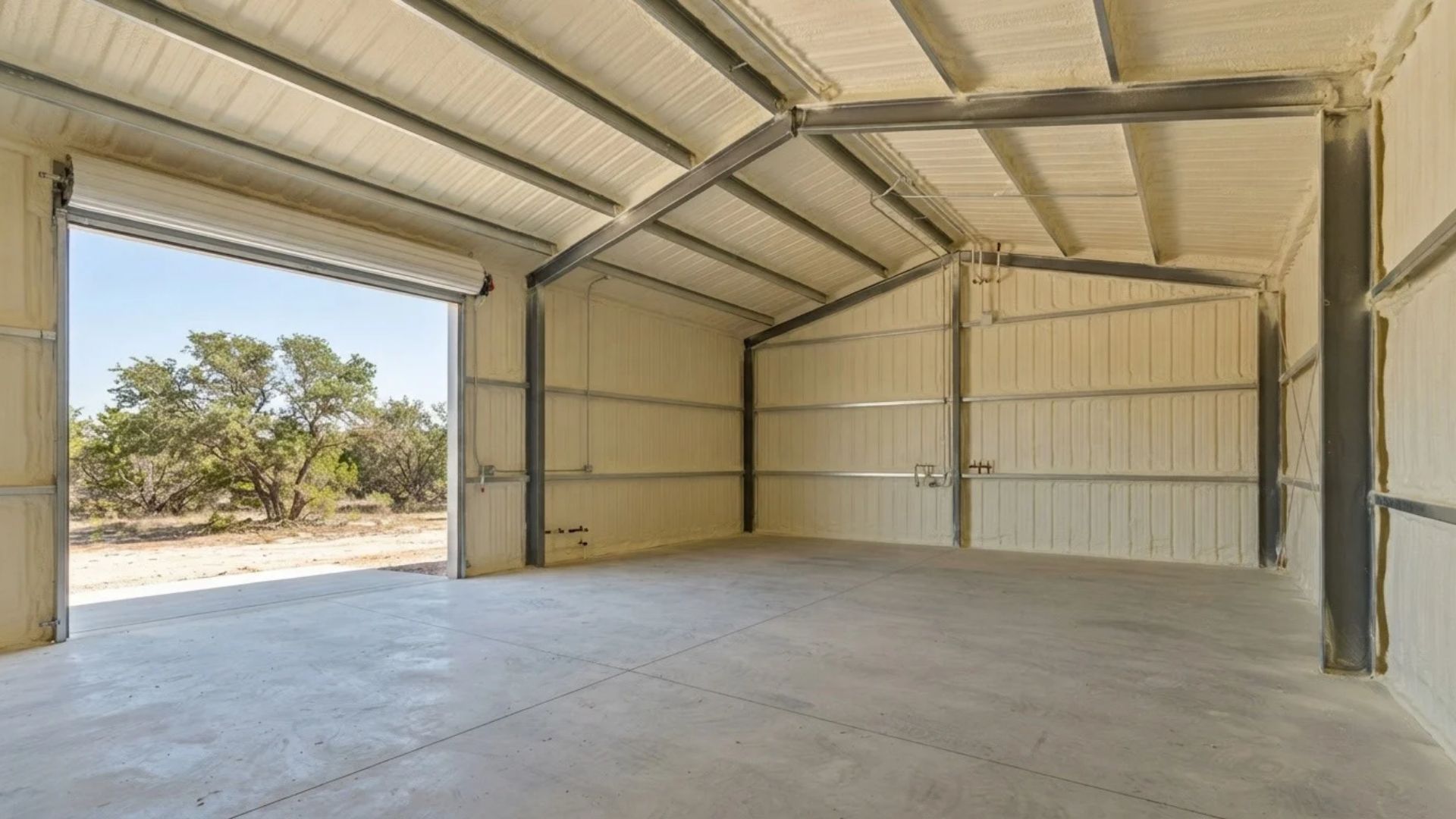
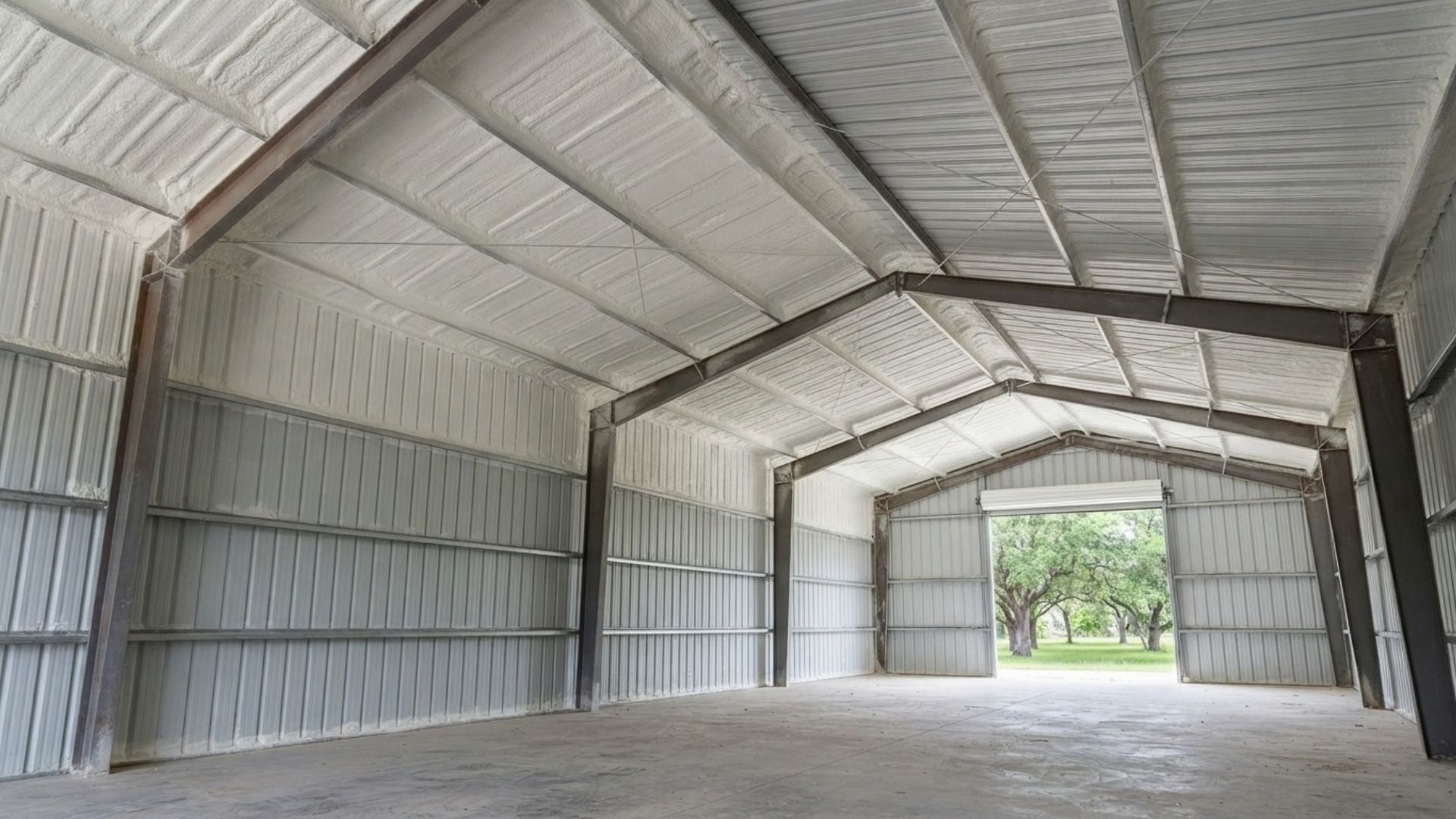
Tyler Spray Foam Pros provides professional metal building insulation solutions focused on quality workmanship, improved comfort, and energy efficiency.
FAQs
Frequently Asked Questions About Metal Building Insulation in Tyler
Find answers to common questions about professional metal building insulation services, installation processes, costs, and benefits to help you make informed decisions for your property.
What Is the Best Insulation for Metal Buildings in Tyler?
Closed-cell spray foam is a common option for metal buildings because it provides a high R-value per inch, reduces air leakage, and offers lower vapor permeability than open-cell foam. However, the best insulation depends on the building's construction, intended use, and moisture conditions. Fiberglass insulation and rigid foam board may also be suitable for certain applications. Professional insulation technicians assess metal roof panels, wall assemblies, ventilation, and thermal requirements before recommending an insulation system.
How Much Does Metal Building Insulation Cost in Tyler, TX?
Metal building insulation costs depend on the structure's size, insulation type, required thickness, and installation accessibility. Some project costs are evaluated per square foot, but total pricing also reflects preparation, equipment, and labor requirements. Closed-cell spray foam typically has higher material costs than open-cell foam, while complex roof framing or extensive surface preparation may increase expenses. Tyler Spray Foam Pros evaluates existing insulation, building dimensions, and application requirements before preparing a project-specific estimate.
Can Spray Foam Insulation Help Prevent Condensation in Metal Buildings?
Yes, properly installed spray foam insulation can help reduce condensation risks by limiting air movement and heat transfer at suitable metal surfaces. Closed-cell spray foam provides an air-sealing layer and relatively low vapor permeability, which can help limit humid air contact with cooler metal panels. However, effective condensation control also depends on ventilation, indoor humidity, and building design. Existing roof leaks or water intrusion must be addressed separately.
Can You Add Spray Foam Insulation to an Existing Metal Building?
Yes, many existing metal buildings can be retrofitted with spray foam insulation without replacing their roof or wall assemblies. Professional technicians inspect accessible metal panels, existing insulation, corrosion, and moisture conditions before installation. Surfaces must be suitable for proper foam adhesion, and preparation may be necessary. Closed-cell or open-cell spray foam may be considered depending on the building's thermal requirements, intended use, and moisture management needs.
Tyler Spray Foam Pros
Request a Metal Building Insulation Estimate in Tyler, Texas
Send Us an Email
Call Our Team
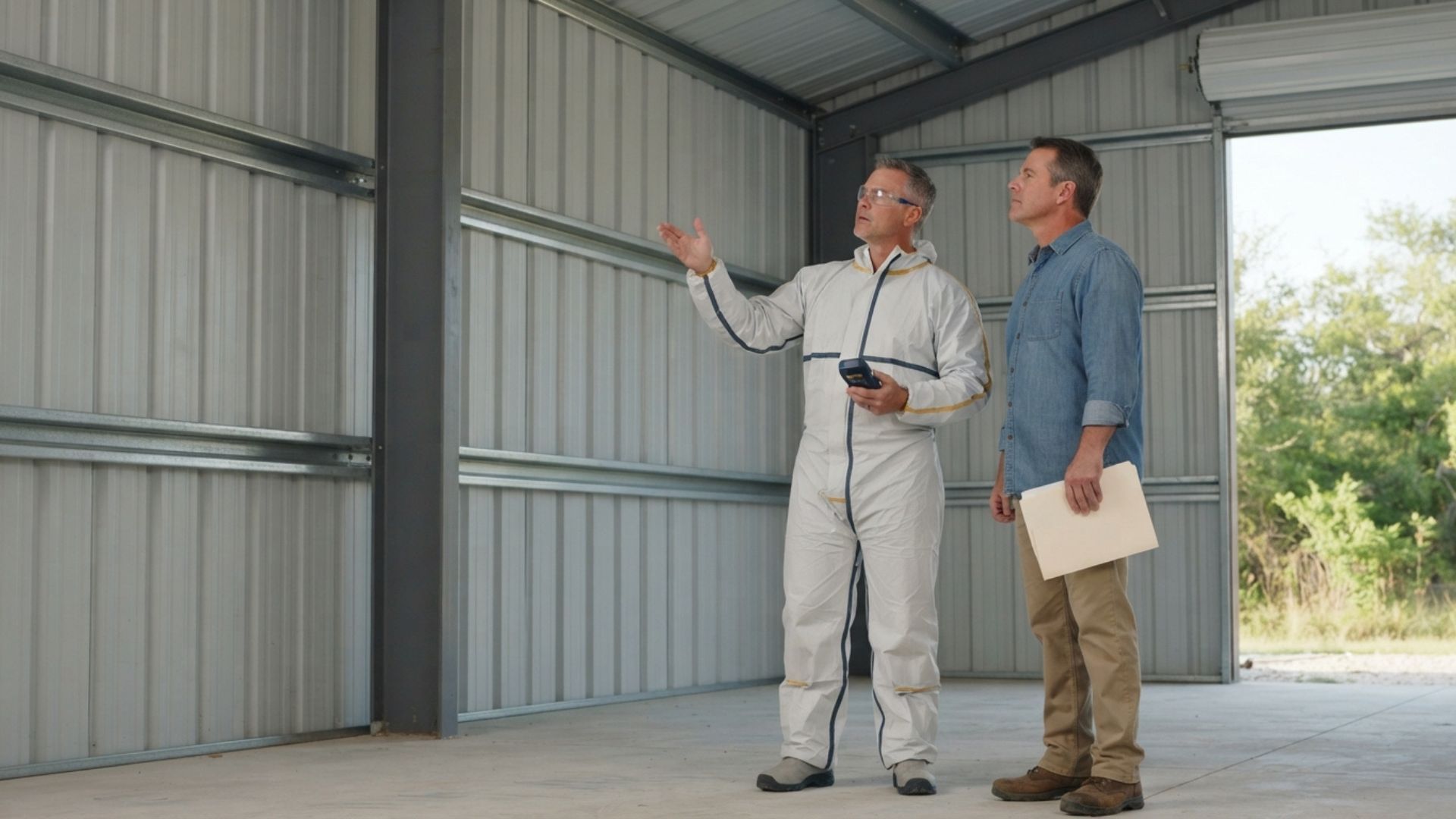
Tyler Spray Foam Pros provides professional metal building insulation services for commercial facilities, workshops, agricultural structures, garages, storage buildings, and other suitable properties in Tyler, Texas. Our technicians evaluate accessible metal roof panels, wall assemblies, existing insulation, and visible moisture conditions before recommending spray foam applications. Whether the project involves new metal building construction or upgrading an existing structure, the assessment helps determine appropriate materials, insulation thickness, and installation requirements.
The most appropriate insulation solutions for metal buildings depend on their construction, intended use, and thermal performance needs. Our insulation contractors evaluate whether closed-cell spray foam, open-cell foam, or another insulation system may be suitable for designated roof and wall surfaces. Preparation requirements, application methods, safety considerations, and project costs are explained before installation. If you are planning a metal building insulation project, contact Tyler Spray Foam Pros at 430-247-2542 to discuss your property's needs and request a project-specific estimate. Professional metal building spray foam insulation can support indoor comfort, improve thermal resistance, and help reduce unwanted air infiltration when properly installed as part of a suitable building assembly.